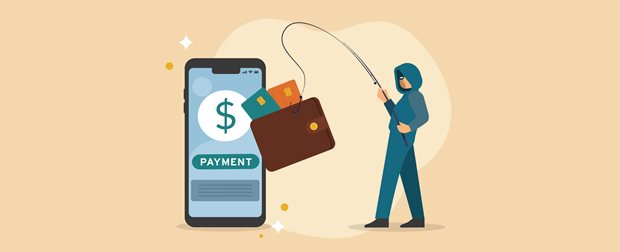




Fraud is evolving faster than ever — and unfortunately, Bay Area residents and businesses are often prime targets. From tech-enabled scams to impersonation and payment fraud, criminals increasingly tailor their tactics to local issues, trusted institutions, and real-life stressors.
While national banks often publish broad fraud warnings, knowing what’s happening right here in the Bay Area can make all the difference in your account security. Here are six of the most common scams affecting local Bay Area residents — and practical steps you can take to protect yourself and your finances in 2026.
1. Bank & Payment App Impersonation Scams
How they work:
Scammers pretend to be from your bank’s fraud department or a popular payment app, contacting you by phone, text, or email and claiming there is suspicious activity on your account. Victims are urged to act quickly to “secure” their funds. Trends show scammers are increasingly targeting businesses.
Why it’s common here:
As digital banking and peer-to-peer payments continue to grow, scammers exploit trust in familiar financial institutions and apps.
Red flags to watch for:
- Requests for login credentials, one-time passcodes, or Secure Access Codes (SACs) and tokens
- Links directing you to log in immediately
- Calls or texts that pressure you to act fast
How to protect yourself:
- Banks will never ask for passwords or verification codes
- Access your account by logging in through the official app or website
- If you’re unsure, hang up. Contact your bank directly using a trusted phone number
2. Social Media, Investment & Job Offer Scams
How they work:
Victims click on ads, sponsored posts, or pop-ups on social media platforms that lead to fake job offers, investment opportunities, or online relationships. These scams often evolve into requests for money, personal information, or access to financial accounts.
Why it’s rising in the Bay Area:
High social media use, a competitive job market, and interest in new investment opportunities make these scams particularly effective locally.
Red flags to watch for:
- Guaranteed returns or “once-in-a-lifetime” investment offers
- Job offers without formal interviews
- Requests to move conversations off-platform quickly
How to protect yourself:
- Be cautious when clicking ads or pop-ups on social media
- Research companies and opportunities independently
- Never send money or sensitive information to someone you haven’t verified
3. Fake Security & Anti-Virus Alert Scams
How they work:
Scammers use fake pop-ups or alerts claiming your device is infected or compromised, often impersonating well-known security companies like McAfee or Norton. Victims are prompted to call a number or download software, giving scammers access to their devices or financial information.
Why it’s common here:
With so many Bay Area residents and businesses working and banking online, these alerts can feel urgent and believable.
Red flags to watch for:
- Unexpected pop-ups warning of immediate security threats
- Requests to call a number or download software
- Pressure to act quickly to “secure” your device
How to protect yourself:
- Do not click pop-ups or call numbers from unsolicited alerts
- Use trusted antivirus software directly from official providers
- Close your browser and run a security scan independently
4. Utility & PG&E Impersonation Scams
How they work:
Scammers pose as PG&E representatives, contacting victims by phone, text, or email and claiming there’s an urgent issue with their account — often threatening immediate power shutoff unless payment is made right away.
Why it’s common here:
With high energy costs and frequent wildfire-related outages, these scams feel believable — especially for renters, small businesses, and seniors.
Red flags to watch for:
- Demands for payment via gift cards, Zelle®,1 Venmo,2 or cryptocurrency
- Threats of same-day service shutoff
- Caller ID spoofing that looks like a legitimate PG&E number
How to protect yourself:
- PG&E will never demand immediate payment through unconventional methods
- Hang up and contact PG&E directly using the number on your bill
- Never click payment links sent via unsolicited texts or emails
5. Business Email Compromise & Real Estate Scams
How they work:
Scammers gain access to or impersonate business email accounts — often targeting title companies, real estate transactions, or vendors — and send fraudulent wire or payment instructions.
Why it’s common here:
High-value real estate transactions and busy business environments make these scams especially costly and difficult to detect.
Red flags to watch for:
- Last-minute changes to payment instructions
- Emails requesting secrecy or urgency
- Slight changes in email addresses or wording
How to protect yourself:
- Always verify payment changes by phone using a known number
- Be cautious of urgent or unexpected wire requests
- Confirm instructions independently before sending funds
6. Federal Reserve / U.S. Treasury Impersonation Scam
How the scam works:
Scammers pose as the Federal Reserve, U.S. Treasury, or other government agencies, using fear and urgency to claim your account is at risk. Victims are told to quickly move money via wire, cash, or cashier’s check to a “secure” or “government” account and are instructed not to share details, or to lie to bank associates.
Red flags to watch for:
- Urgent or threatening language, such as warnings of account seizure, arrest, or fines
- Requests to move money immediately via wire, cash, or cashier’s check
- Instructions to keep the transaction confidential or to lie to bank employees
How to protect yourself:
- Be cautious of any request that involves secrecy, urgency, or fear-based pressure
- Do not act on urgent financial instructions without independently verifying the request
- Be honest with bank associates as they play a key role in identifying fraud and helping to protect you.
How a Community Bank Can Help Protect You
Fraud prevention isn’t just about technology — it’s about education, awareness, and local insight.
Your security is our priority. Fremont Bank helps protect you with:
- Secure digital banking tools
- Real-time fraud monitoring
- Local teams who understand regional scam trends
- Educational resources to help customers stay informed
If you ever notice suspicious activity, receive a message that doesn’t seem right, or believe you may have been targeted by fraud, contact us immediately. Our team is here to help you take quick action and protect your finances.
Staying One Step Ahead
Staying informed is one of the most effective ways to prevent fraud — and knowing you have a trusted local bank to turn to can make all the difference.
Scammers rely on urgency, fear, and confusion. Staying informed — especially about scams targeting your local community — is one of the most effective ways to protect yourself, your family, and your business.
By recognizing the warning signs and slowing down before taking action, Bay Area residents and business owners like you can reduce risk and stay one step ahead of fraud in 2026 and beyond.
Disclosures
1) FREMONT BANK IS NOT AUTHORIZED, ENDORSED, OR SPONSORED BY EARLY WARNING SERVICES, LLC,- OWNER OF ZELLE®. Zelle® and the Zelle®-related marks are wholly owned by Early Warning Services, LLC, and are used herein under license.
2) Venmo is a service of PayPal, Inc., a licensed provider of money transfer services (NMLS ID: 910457). All money transmission is provided by PayPal, Inc., pursuant to PayPal, Inc.’s licenses. © 2021 PayPal, Inc.